
Women’s Safety in London: Why Awareness and Self-Defence Matter More Than Ever
It is a difficult truth that women’s safety remains a serious concern. While violence against women is not new, recent figures and reporting show that incidents are rising in visibility and frequency. Women of all ages are affected, but the statistics consistently show that young women between 15 and 24 face the highest levels of risk.
Many people assume that danger is greatest in dark alleyways or isolated streets. In reality, global data shows that a significant proportion of attacks take place inside the home, often involving someone known to the victim. After that, public spaces such as public transport, high streets and town centres feature heavily. Attacks on teenage girls also remain high in places such as parks, where young people may gather alone or in small groups and can become isolated from immediate help.
The solution is not fear. It is preparation, education and awareness.
First, we need open conversations about risk. Schools, youth groups and families should be teaching young people how to recognise controlling behaviour, boundary violations and escalating aggression. Understanding the early warning signs of coercion or grooming can prevent harm long before physical violence occurs.
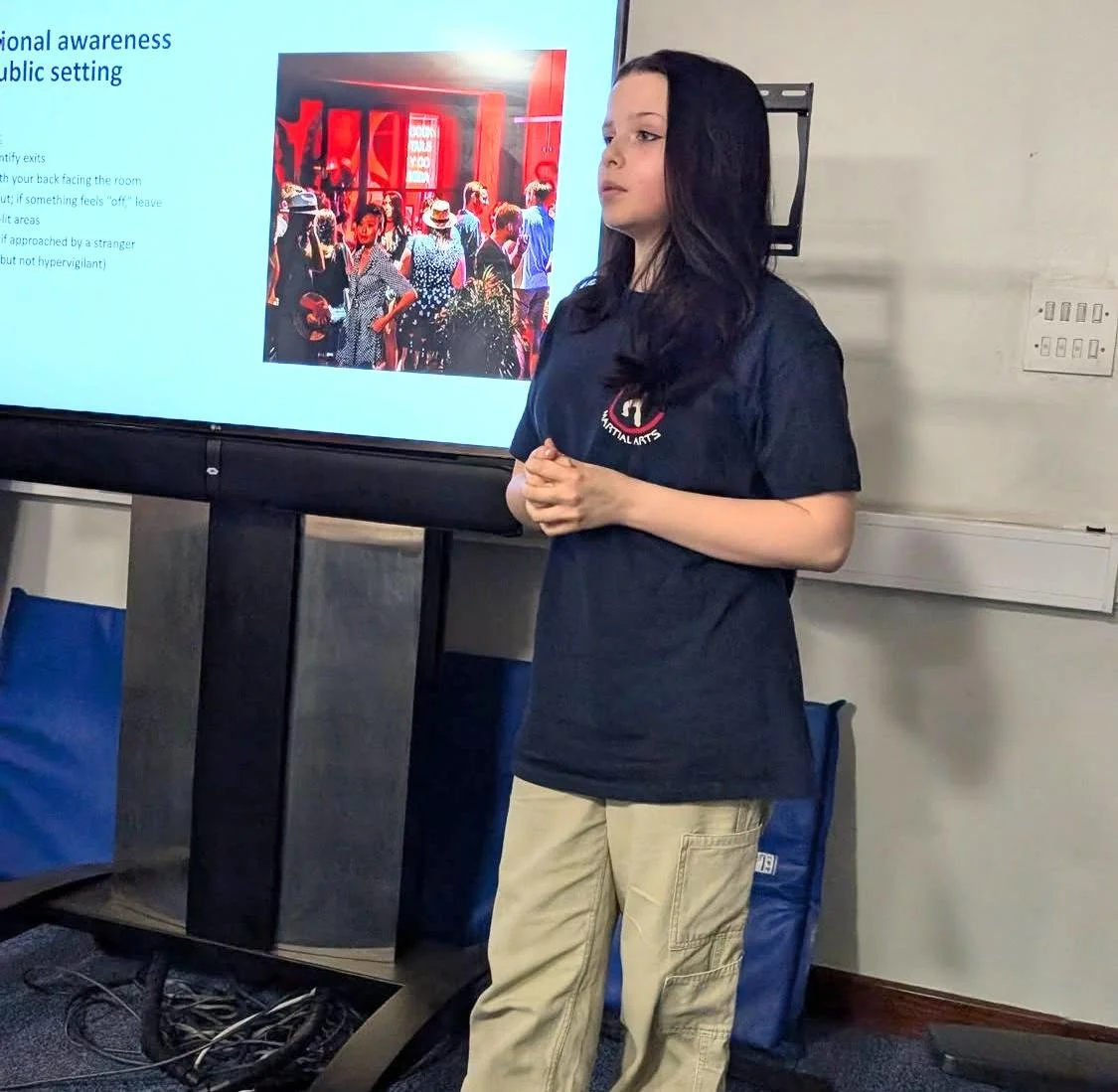
Second, situational awareness must be taught as a practical skill. This includes understanding baseline behaviour in an environment and spotting anomalies, recognising exit routes, trusting intuition, and avoiding distraction in higher risk locations. These are simple but powerful habits that dramatically reduce vulnerability.
Third, self defence training should be realistic and accessible. It should cover de escalation, boundary setting, voice control, breakaway skills, and the legal framework around reasonable force. Physical techniques are important, but they are the last layer of protection, not the first.
Fourth, communities and organisations need to take responsibility. Better lighting in parks, visible staff on public transport, safe reporting systems in schools and workplaces, and clear safeguarding policies all make a difference. Prevention works best when it is collective, not individual.
Finally, empowerment matters. Confidence changes posture, eye contact and decision making. Predators often look for perceived vulnerability. Teaching women and girls how to move, speak and act with confidence can deter targeting before it begins.
Self defence is not about teaching someone to fight. It is about teaching them how to think, how to assess risk, and how to act early. When awareness, education and practical skills come together, safety stops being reactive and becomes proactive.